As more people become conscious of their environmental impact, sustainable products are gaining popularity across all industries—and plush toys are no exception. Traditional plush toys are often made from synthetic materials like polyester, which are derived from non-renewable resources and can take centuries to decompose in landfills. But today, a growing number of brands are creating eco-friendly plush toys, using sustainable materials and ethical production practices to reduce their carbon footprint.
One of the most common sustainable materials used in plush toys is organic cotton. Unlike conventional cotton, organic cotton is grown without harmful pesticides, herbicides, or fertilizers, making it better for the environment and the farmers who grow it. Organic cotton plush toys are soft, hypoallergenic, and safe for both children and the planet. Some brands also use recycled materials, such as recycled polyester (made from plastic bottles) or recycled wool, to create plush toys—giving new life to materials that would otherwise end up in landfills or oceans.
In addition to sustainable materials, many eco-friendly plush toy brands prioritize ethical production. This means ensuring fair wages and safe working conditions for factory workers, as well as minimizing waste during the manufacturing process. Some brands even use natural dyes made from plants, fruits, or vegetables, avoiding the toxic chemicals found in traditional synthetic dyes. These practices not only benefit the environment but also create a more responsible and transparent supply chain.
Sustainable plush toys aren’t just good for the planet—they’re also high-quality and durable. Because they’re made from natural or recycled materials, they often have a softer, more luxurious feel than traditional plush toys. They’re also less likely to contain harmful chemicals, making them a safer choice for children with sensitive skin or allergies. For parents who want to teach their children about sustainability from a young age, eco-friendly plush toys are a great way to start—they can help kids understand the importance of caring for the environment while providing a soft companion to love.
While sustainable plush toys may be slightly more expensive than their conventional counterparts, the investment is worth it for the positive impact on the planet. As demand for eco-friendly products grows, more brands are entering the market, making sustainable plush toys more accessible than ever before. Whether you’re shopping for a gift or adding to your own collection, choosing a sustainable plush toy is a small but meaningful way to contribute to a greener future.
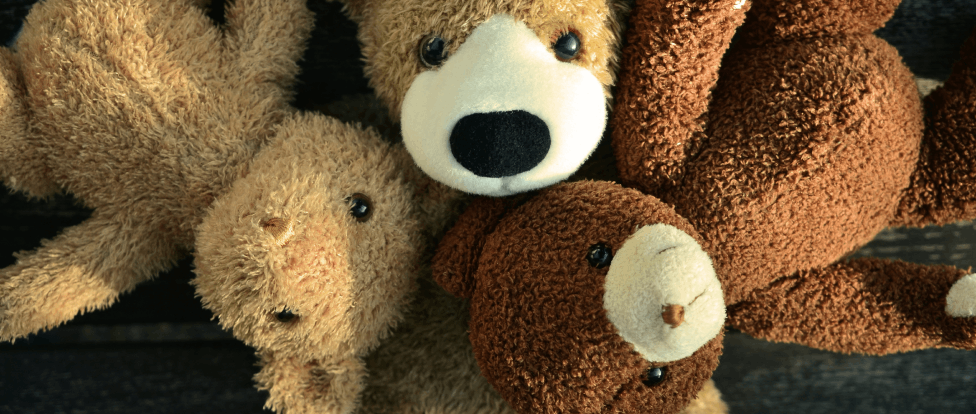
From organic cotton teddy bears to recycled polyester character plushies, sustainable plush toys prove that you don’t have to sacrifice comfort or style for sustainability. They’re a reminder that even the smallest choices can make a big difference—and that soft companions can be kind to both our hearts and the planet.